Outdoors and gardens
Your outdoor space is more than just the area between your house and the property line. Whether you have a sprawling backyard, a modest suburban yard, or a small balcony, thoughtful planning can turn it into an extension of your home — a place to relax, entertain, grow food, or simply enjoy fresh air. This pillar page brings together the core ideas of outdoor and garden design so you can understand your options, avoid common mistakes, and make confident decisions at every stage.
Understanding Your Outdoor Space
Before buying plants, furniture, or building materials, take the time to assess what you actually have. Every garden is shaped by a handful of factors that determine what will thrive and what will struggle.
Climate and Hardiness
In most English-speaking countries, gardeners rely on hardiness zone systems to know which plants can survive the local winter. The United States uses the USDA zones, the United Kingdom references the RHS hardiness ratings, and Australia and Canada have their own equivalents. Knowing your zone is the first step toward choosing plants that will come back year after year instead of being replaced every season.
Sunlight and Shade
Spend a day observing your space. Note which areas receive full sun (six hours or more), partial shade, or deep shade. A vegetable patch needs the sunniest spot available, while hostas, ferns, and many shade-loving shrubs will scorch in direct afternoon light. Matching the plant to the light condition is one of the simplest ways to avoid disappointment.
Soil Quality
Soil is the foundation of every garden. A simple test — squeezing a handful of moist soil — tells you whether you are working with sandy soil that drains quickly, clay that holds water, or a loamy mix that sits comfortably in between. An inexpensive soil testing kit can also reveal pH levels and nutrient content, which directly affects which plants will flourish and which amendments you may need to add.
Planning Your Garden Layout
Good garden design starts on paper, not at the garden center. Sketch your space, mark fixed features like doors, windows, pathways, and utility access, then divide the area into zones based on how you want to use it.
Common Functional Zones
- Entertaining area: a patio or deck close to the house, ideally with easy access to the kitchen.
- Growing area: raised beds, in-ground vegetable plots, or a greenhouse positioned for maximum sunlight.
- Play or relaxation space: a lawn, a hammock corner, or a quiet seating spot sheltered from the wind.
- Service area: a discreet zone for the compost bin, wheelie bins, tools, and storage.
Even a small garden benefits from this zoning approach. A city courtyard, for example, might dedicate one corner to a compact dining set, another to vertical planting, and a hidden strip behind a trellis for storage — three functions in a space of just a few square meters.
Choosing Between Lawn, Beds, and Hardscape
One of the biggest design decisions is how to balance soft landscaping (plants and lawn) with hard landscaping (paving, decking, gravel, and walls).
The Role of the Lawn
Lawns remain popular in North America, the UK, and Australia, but they demand regular mowing, watering, and feeding. Increasingly, homeowners are reducing lawn size in favor of planting beds, wildflower meadows, or ground covers that need less water and maintenance. If you love the look of grass but not the upkeep, consider drought-tolerant lawn alternatives suited to your region.
Hardscape Options
- Paving slabs: durable and low-maintenance, ideal for patios and pathways; natural stone offers character, while porcelain is easier to clean.
- Decking: warm underfoot and great for uneven terrain, though timber requires periodic staining or sealing.
- Gravel: inexpensive, permeable, and excellent for drainage; pairs well with Mediterranean-style planting.
- Composite materials: a middle ground that mimics wood with far less maintenance.
As a rule of thumb, aim for a mix — roughly one third hard surface, two thirds planting — so the space feels green and welcoming rather than overbuilt.
Planting for Year-Round Interest
A common beginner mistake is choosing plants that look good for a few weeks and leave the garden bare the rest of the year. The solution is layering: combining plants with different heights, textures, and seasonal highlights.
A Simple Layering Structure
- Structural plants: evergreen shrubs and small trees that give the garden its skeleton in winter.
- Seasonal color: perennials and bulbs that provide flowers from early spring through autumn.
- Fillers and ground cover: low-growing plants that suppress weeds and knit the scheme together.
Imagine a small front garden: an evergreen boxwood hedge for structure, tulips and daffodils for spring, hardy geraniums for summer, and asters for late autumn color. With that single layering principle, the garden never looks empty.
Native and Low-Water Planting
Choosing plants native to your region brings real benefits: they are adapted to local rainfall and pests, support pollinators and birds, and generally require less fertilizer and watering. In drier regions such as the American Southwest or much of Australia, xeriscaping — designing with drought-tolerant plants like lavender, sage, and ornamental grasses — has become a mainstream approach that saves both water and effort.
Vegetable and Herb Gardening
Growing your own food is one of the most rewarding uses of outdoor space, and it does not require a large plot. A few containers on a sunny balcony can produce herbs, salad leaves, and cherry tomatoes, while a modest raised bed can supply a household with vegetables through the growing season.
Getting Started with Edibles
- Start with easy, forgiving crops: lettuce, radishes, beans, zucchini, and herbs like mint and chives.
- Position the growing area where it gets at least six hours of sun.
- Improve the soil with compost before planting.
- Water consistently — irregular watering causes more crop failures than pests do.
- Practice crop rotation year to year if growing in the ground, to keep soil healthy.
Raised beds deserve special mention: they warm up faster in spring, drain well, are easier on the back, and give you complete control over soil quality — a real advantage where native soil is heavy clay or contaminated.
Outdoor Living and Comfort
A garden is not only about plants. Furniture, shade, and lighting determine how much you will actually use the space.
Shade and Shelter
Consider a pergola, awning, or large umbrella for the seating area. In cooler climates, a fire pit or patio heater extends usable evenings into spring and autumn. Windbreaks — whether a fence, hedge, or trellis with climbers — make a surprising difference to comfort, especially in exposed coastal or open locations.
Outdoor Lighting
Lighting transforms a garden after dark and improves safety on steps and pathways. Solar lights are the easiest option with no wiring required, while low-voltage LED systems offer more reliable illumination. Aim for layered, warm lighting rather than a single bright floodlight, which can feel harsh and disturb wildlife.
Low-Maintenance Strategies
Not everyone wants to spend weekends on garden chores. Fortunately, design choices can dramatically reduce workload.
- Apply a layer of mulch (bark, gravel, or wood chips) to beds — it suppresses weeds, retains moisture, and improves soil as it breaks down.
- Choose evergreen and perennial plants over short-lived annuals.
- Install an automatic drip irrigation system on a timer for consistent, water-efficient watering.
- Favor larger pots over small ones, which dry out far more quickly.
- Group plants with similar water and light needs so you are not fighting a losing battle.
A useful way to think about it: every hour spent on design saves roughly ten hours of maintenance. A garden planned around your real availability will stay attractive; one planned around an idealized version of yourself will become a chore.
Seasonal Care Throughout the Year
Outdoor upkeep follows a natural rhythm. Rather than a rigid calendar — which varies by region — think in terms of seasonal priorities.
- Spring: prune, feed beds, plant summer bulbs and annuals, and prepare the vegetable plot.
- Summer: water consistently, deadhead flowers to extend blooms, and harvest edibles regularly.
- Autumn: plant spring bulbs and trees, clear fallen leaves, mulch beds, and protect tender plants.
- Winter: prune dormant trees and shrubs, maintain tools, and plan next year’s projects.
Sustainability in the Garden
Modern outdoor design increasingly overlaps with environmental responsibility. Small changes add up: collecting rainwater in a butt or barrel reduces mains water use; composting kitchen and garden waste returns nutrients to the soil; and avoiding chemical pesticides in favor of companion planting and natural predators keeps the garden ecosystem healthy. Permeable paving and gravel also allow rainwater to soak into the ground rather than run off into drains — an easy choice that helps prevent local flooding during heavy storms.
Bringing It All Together
Outdoors and gardens is a broad subject, but the core principles are few: know your conditions, zone your space by function, layer your planting, and design for the amount of maintenance you can realistically sustain. Start small — a single bed, a herb pot, or one seating corner — and build confidence as you go. A garden is never finished, and that is precisely what makes it so satisfying: it grows and changes along with you.

Protect your home with the best roofing materials available
Your home’s roof is its first line of defense against the elements. Choosing the right roofing material is crucial for ensuring long-lasting protection, energy efficiency, and aesthetic appeal. With a wide array of options available, homeowners can find the perfect…
Read more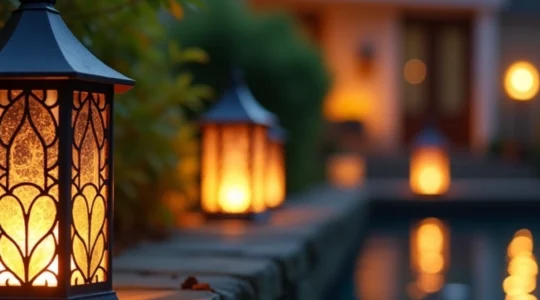
Solar lanterns: an eco-friendly lighting solution that adds charm to your garden
Illuminate your outdoor spaces with the gentle glow of solar lanterns, a sustainable and enchanting lighting option that transforms gardens into magical retreats. These eco-friendly alternatives to traditional outdoor lighting harness the power of the sun, offering a perfect blend…
Read more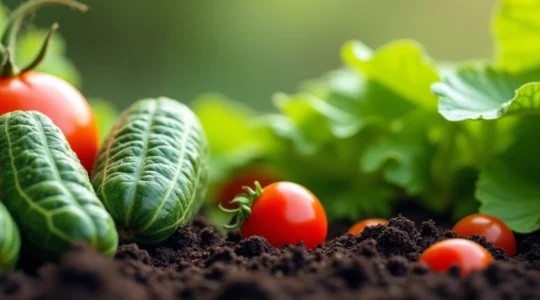
Why should you create a vegetable garden in your backyard?
Creating a vegetable garden in your backyard is a rewarding endeavor that offers numerous benefits. Not only does it provide fresh, nutritious produce right at your doorstep, but it also promotes sustainability, reduces grocery bills, and offers a therapeutic outlet….
Read more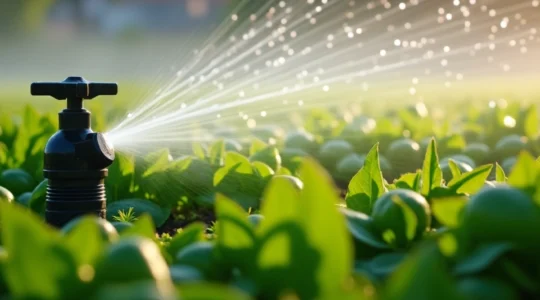
An automatic irrigation system ensures consistent watering, saving time and effort
Maintaining a lush, healthy landscape requires consistent and precise watering. An automatic irrigation system revolutionizes this essential task, providing a reliable solution for gardens, lawns, and agricultural settings. By leveraging advanced technology and smart design, these systems deliver water efficiently,…
Read more